
Minutes earlier I had been writing to my MoneySense editor about my philosophy on private finance writing—how I would like readers to really feel seen relatively than shamed for the selections they make. My thoughts wandered, the way in which it does mid-workout, towards my very own profession. An outdated buddy from college had just lately gone again to highschool for one thing related and I considered reaching out to her to get a greater sense of what that have was like.
As a substitute, I opened my GPT and typed within the query.
The reply arrived in seconds. No name, no ready, no analysis. The thought itself was gone throughout the hour, a type of concepts that visits and leaves with out a lot consequence. What caught with me wasn’t the query, however the hole between desirous to know one thing and realizing it. A niche that had shrunk from days and probably weeks to seconds with out my noticing it occur.
After which I started to marvel how usually that very same hole reveals up in how we interact with cash.
The area between wanting and having
As I considered this shrinking hole, I realised that we now reside in a world the place I can order one thing whereas I’m nonetheless deciding whether or not I would like it. I’ve, on multiple event, ordered kitchen towels from that very same elliptical machine. I’ve booked flights, motels, live shows whereas I’m out operating errands. I can and have ordered dinner earlier than actually contemplating what I used to be craving.
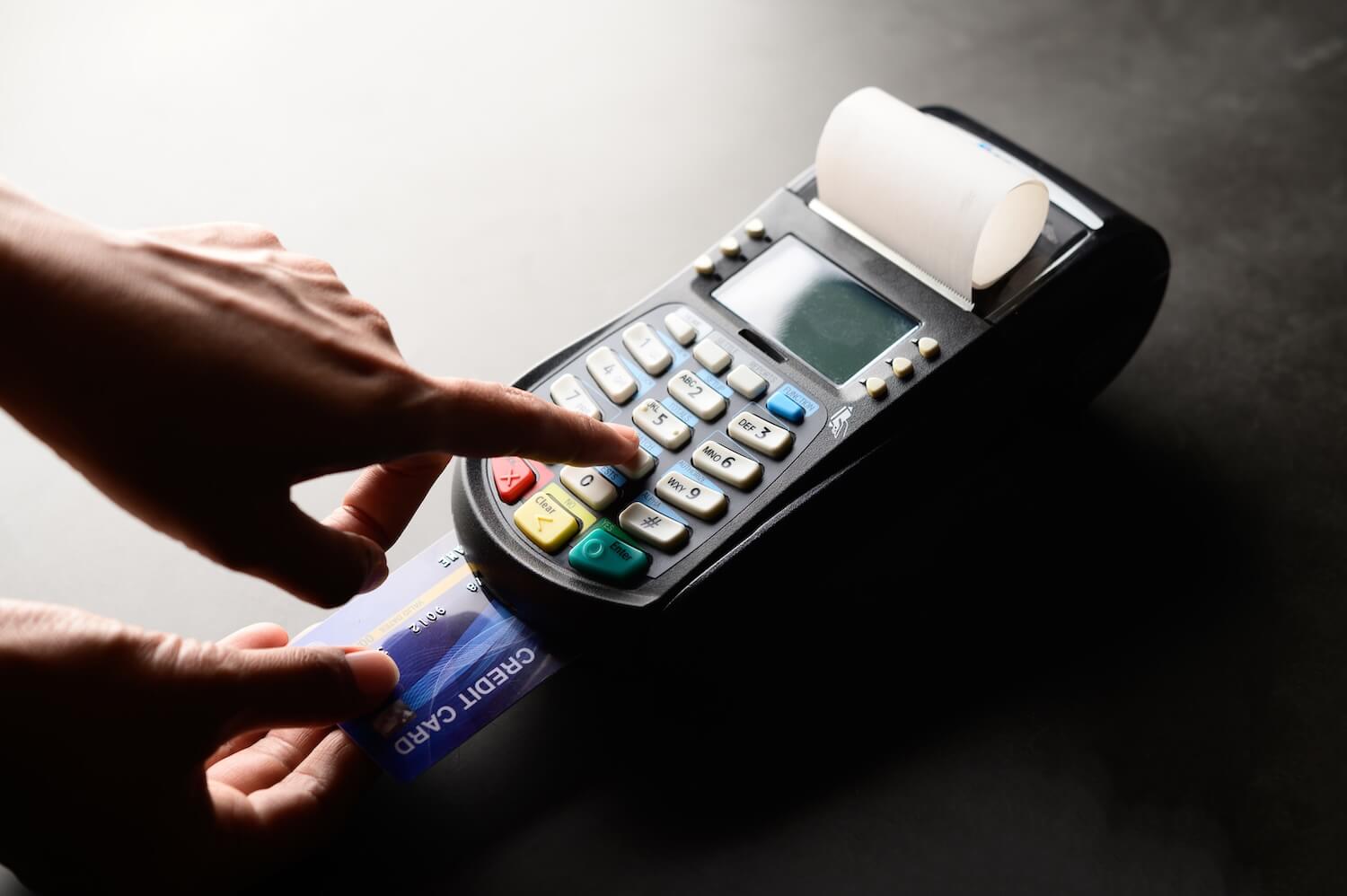
This isn’t only a feeling. Retailers have spent twenty years engineering this hole out of existence, they usually have the numbers to show it labored. A Marketing Science Institute study that examined the rise of one-click checkout discovered that clients given entry to one-click shopping for visited the retailer’s website 18.5% extra usually and expanded their purchases throughout product classes by 43.3%. The identical research went additional to seek out the precise mechanism behind it: customers utilizing single-step, frictionless fee had measurably worse recall of what they’d beforehand spent than customers who went by way of a multi-step checkout, and that diminished recall was what drove the rise in impulse shopping for. The convenience didn’t simply make spending sooner; it additionally made spending tougher to recollect.
Coming to this realization in some ways was an ”aha” second for me. I had at all times assumed the hazard of frictionless spending was the spending itself, however it seems additionally it is the forgetting. Each buy that skips the pause additionally appears to skip the a part of my mind that may in any other case have filed it away as a call I made, on function, for a purpose.
The acquisition that killed the rule
In my early twenties, dwelling in Dubai, I bear in mind strolling right into a mall to purchase a gaming console. I had by no means owned one however a brand new mannequin had simply launched and I wished it, all of the sudden and instantly.
My then-fiancée, now my spouse, recommended I wait a number of days. If I nonetheless wished it, I ought to go purchase it.


I took her recommendation and, because it turned out, that want didn’t stand the take a look at of time. I favored the result of that suggestion sufficient to show it right into a rule. Something that wasn’t a necessity bought seven days. If I nonetheless wished it after every week, I purchased it.
Most issues didn’t survive the week. The need light, or I forgot, or one thing else took its place. The rule wasn’t actually about restraint; what it did was give me a approach to discover out which of my desires have been actual.
That rule held for years with out a lot effort on my half, however it will definitely died. And once I assume laborious, I can identify the acquisition that killed it.
We have been headed on a visit of a lifetime and I made a decision I wished an motion digital camera. There was no urgency to the acquisition. I may have given it extra thought, in contrast a number of fashions the way in which I’d have prior to now. As a substitute, I took benefit of the newly launched next-day supply and there it was.
I used it as soon as and it has sat on a shelf ever since.
The footage from that trip was unbelievable, and I’m glad I’ve these reminiscences. However my cellphone would have captured these moments no in a different way. I used the acquisition as an excuse for a sort of creativity I didn’t want a separate gadget for. A couple of weeks after the holiday, I had forgotten concerning the digital camera. That’s the half that bothers me, and now I perceive why: the acquisition was so frictionless that it barely registered as a call in any respect. There was nothing to recollect, as a result of there had by no means actually been a second the place I made a acutely aware alternative.
The digital camera is the one buy I nonetheless have bodily proof of. A lot of the different frictionless purchases I’ve made since then have disappeared into the background, leaving nothing behind to remind me that I ever made them. The digital camera is completely different. It sits on a shelf, reminding me what occurs when wanting one thing and shopping for it grow to be the identical second.